Tracing Regulatory Impacts on Transaction Options and Player Safeguards Within Nordic Mobile Slot Ecosystems
Felix Frank · Aug 28, 2026
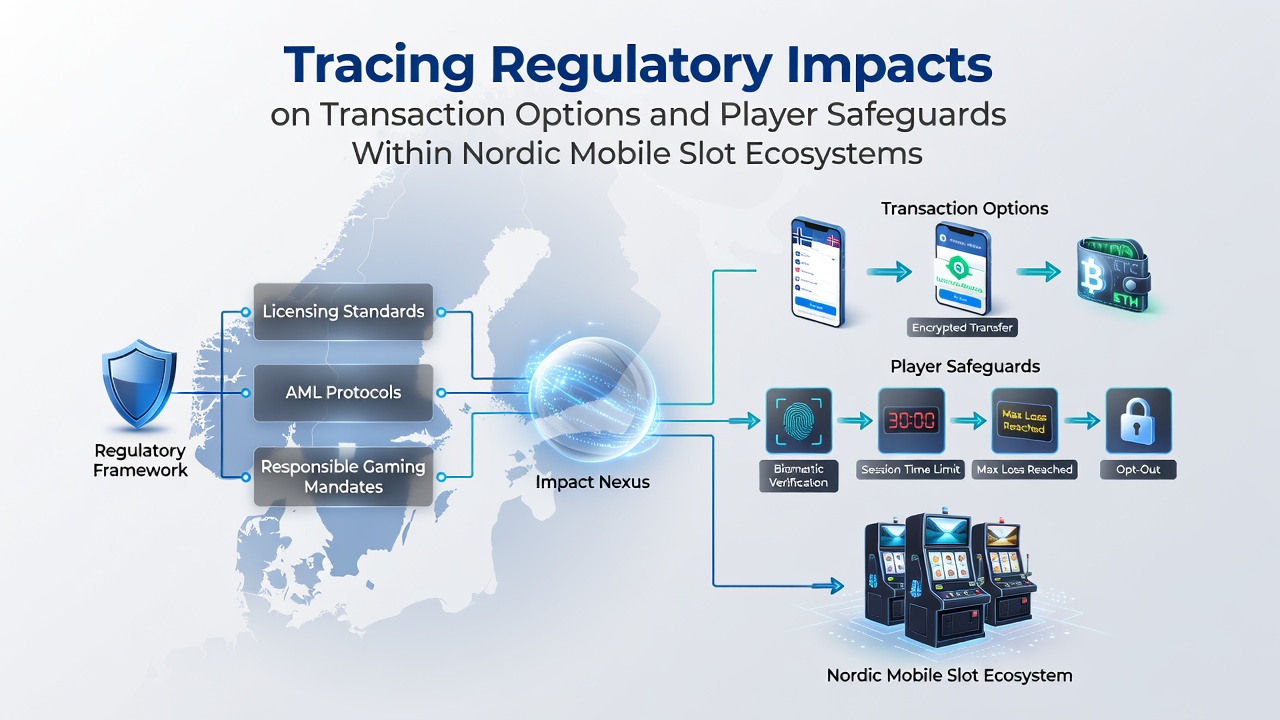
Tracing Regulatory Impacts on Transaction Options and Player Safeguards Within Nordic Mobile Slot Ecosystems
Regulatory frameworks across Nordic countries continue to shape how operators handle transaction options and player protections in mobile slot environments, with Sweden, Denmark, Norway, and Finland each maintaining distinct yet overlapping systems that influence payment methods, deposit limits, and verification processes.
Current Regulatory Landscape in Nordic Markets
Sweden's Spelinspektionen enforces strict licensing that requires all mobile slot platforms to integrate approved payment providers, while data from 2025 shows transaction volumes processed through regulated channels reached 14.8 billion SEK in the first half of the year. Denmark's Spillemyndigheden applies similar rules but allows broader use of e-wallets, creating variations in how players access funds during sessions. Observers note that these differences stem from national interpretations of EU directives on consumer protection and anti-money laundering standards.
Norway operates under a state monopoly model through Norsk Tipping, which restricts private operators and channels mobile slot activity into centralized systems with built-in spending caps. Finland's system, managed by Veikkaus, incorporates mandatory loss limits that adjust based on player history, and figures reveal a 9 percent drop in average session durations after these tools were strengthened in late 2025.
Effects on Transaction Options
Payment flows in Nordic mobile slots now route through verified banking partners in most licensed environments, which reduces reliance on credit cards and cryptocurrency options that regulators have flagged for higher risk. In August 2026, updated guidelines from Spelinspektionen required operators to display real-time transaction histories within apps, allowing players to track deposits and withdrawals without leaving the interface. This change aligns with broader efforts to limit friction in responsible gambling tools while maintaining audit trails for authorities.
Researchers at the Nordic Institute for Gambling Research documented how these transaction restrictions correlate with shifts toward instant bank transfers and prepaid cards, noting that mobile users in Sweden completed 72 percent of deposits via Swish in 2025. Operators must also comply with cross-border data sharing agreements, which affect how quickly funds move between accounts and how withdrawal requests are processed under daily or weekly caps.
Player Safeguards and Mobile Implementation
Age verification protocols in Nordic ecosystems rely on national ID databases linked directly to mobile registration flows, cutting average onboarding time to under two minutes while maintaining compliance rates above 98 percent according to industry reports. Self-exclusion registries operate across borders through shared databases, so a player blocked in one country cannot easily register elsewhere within the region.
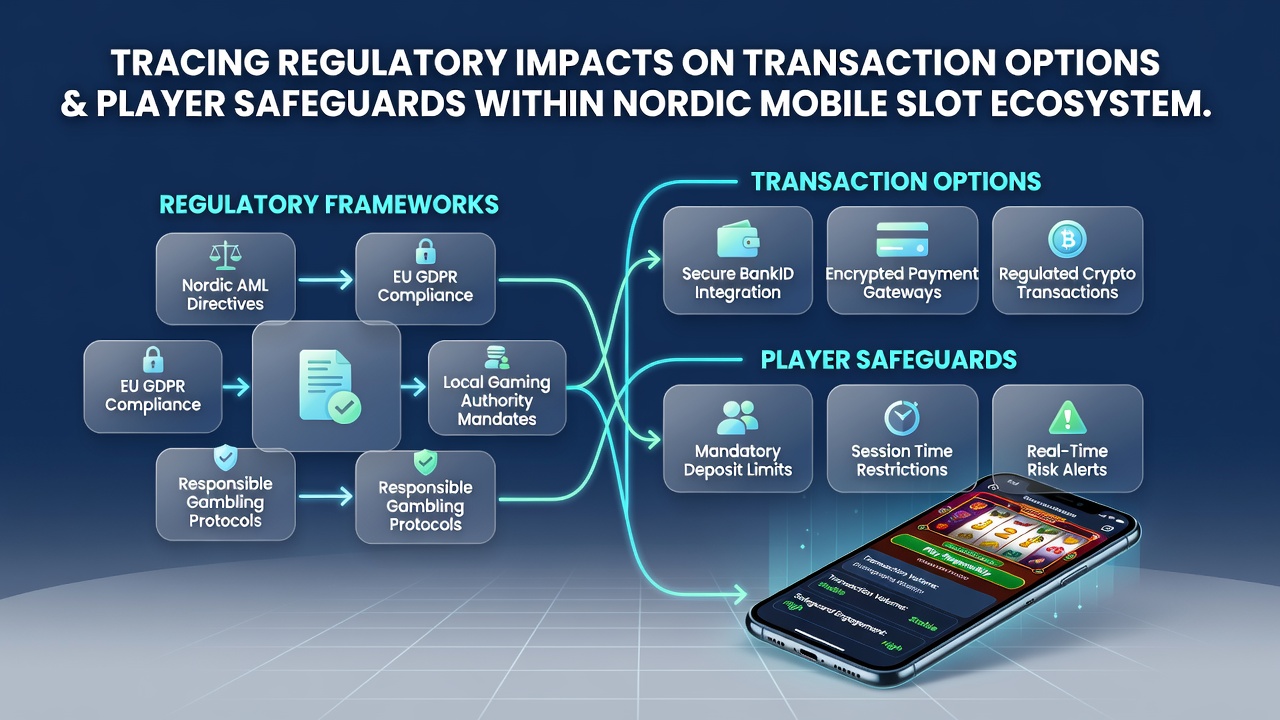
Reality checks and session timers appear automatically after set intervals, with data indicating that 41 percent of active mobile accounts in Denmark adjusted their limits at least once during 2025. Spending alerts trigger when players approach predefined thresholds, and these notifications integrate with transaction systems to pause further deposits until confirmation occurs.
Studies from the University of Oslo highlight how these layered safeguards interact with behavioral analytics, allowing platforms to flag unusual patterns such as rapid deposit sequences or extended play without breaks. Operators then apply temporary restrictions or direct users toward support resources, all while logging actions for regulatory review.
Regional Variations and Emerging Trends
Finland introduced enhanced mobile authentication requirements in early 2026 that tie directly to transaction approvals, requiring biometric confirmation for deposits above certain amounts. This approach differs from Norway's focus on centralized account management, where transaction options remain limited to state-approved methods. Data from the Norwegian Gaming Authority shows that such centralization has maintained stable player volumes despite fewer available payment channels.
What's interesting is how smaller operators adapt by partnering with fintech firms that specialize in regulated markets, ensuring compliance without sacrificing speed. External audits conducted quarterly verify that safeguards function as intended, and non-compliance can result in license suspension or fines scaled to revenue.
Conclusion
Regulatory measures continue to define the boundaries of transaction flexibility and protection mechanisms within Nordic mobile slot ecosystems, with each country refining its approach based on local priorities and shared EU principles. Ongoing adjustments in 2026 demonstrate how authorities balance operator viability with consumer safeguards through updated reporting, verification standards, and payment restrictions. Those monitoring these systems can expect further integration of real-time tools as technology and oversight evolve together.