Inside the World of Payment Options That Unlock Swedish Jackpot Slots with Built-in Responsible Gambling Tools
Sage Franke · Nov 20, 2026
Inside the World of Payment Options That Unlock Swedish Jackpot Slots with Built-in Responsible Gambling Tools
Payment Systems in the Swedish Regulated Market
Swedish jackpot slots operate under strict oversight from the national regulator, and payment options play a central role in both accessing games and enforcing player protections; platforms must integrate tools that allow users to set deposit caps, session timers, and direct links to national self-exclusion registers while processing transactions. Data from November 2026 shows continued growth in mobile jackpot play, with transaction volumes reflecting widespread adoption of instant bank transfers that automatically check user status against Spelpaus before releasing funds. These systems connect directly to licensed operators, ensuring every deposit passes through verification layers designed to flag potential issues early.
Key Payment Methods and Their Built-in Safeguards
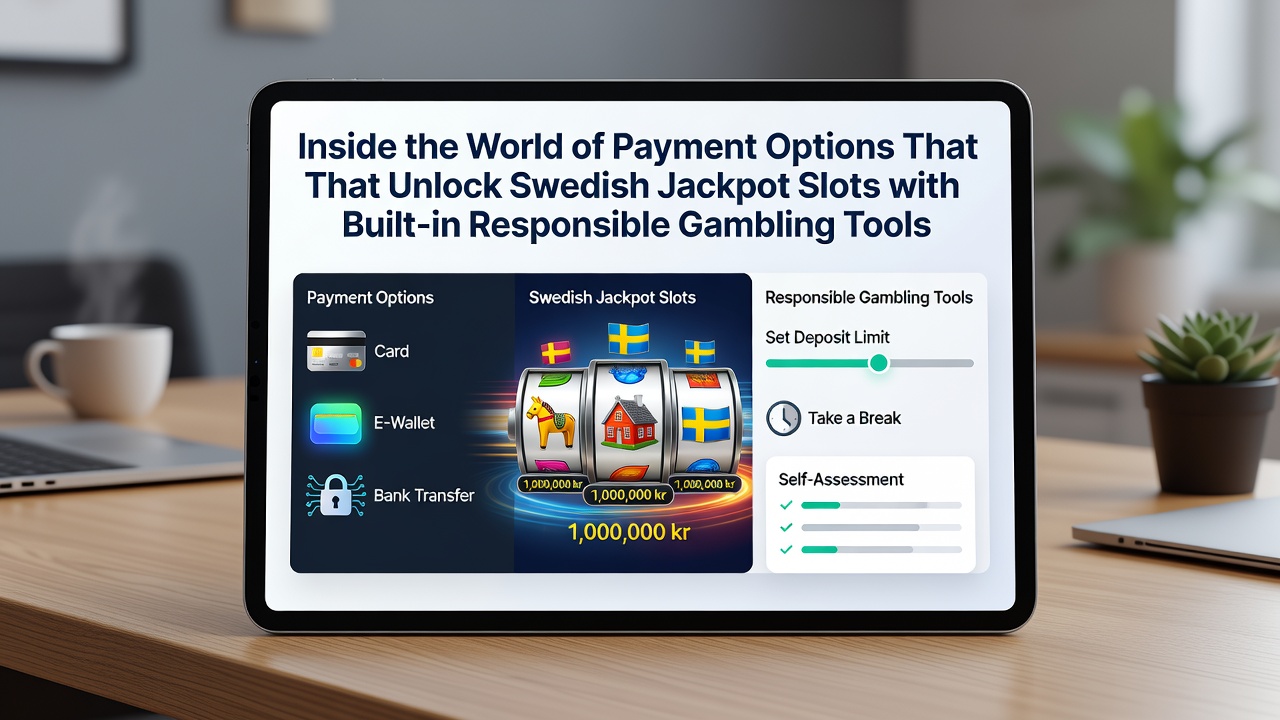
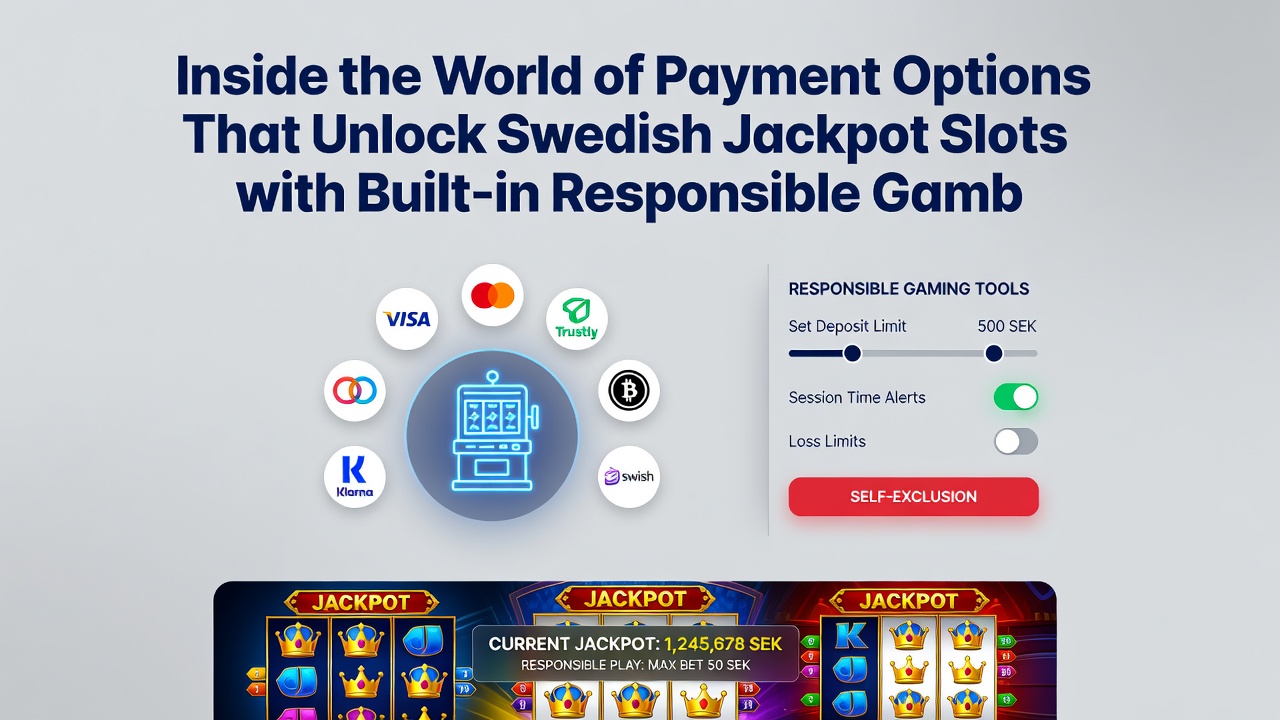
Trustly and Swish dominate the landscape because they link straight to Swedish bank accounts and embed responsible gambling features at the point of transfer; when a player initiates a deposit, the service cross-references current limits set by the account holder and blocks the transaction if thresholds are reached. Bank cards remain available yet face additional scrutiny, requiring operators to display real-time balance warnings and offer one-click access to cooling-off periods. E-wallets provide another layer, often allowing users to pre-configure weekly spending caps that sync across multiple sites through shared APIs. Researchers at Nordic gaming studies programs have documented how these integrations reduce unauthorized spending patterns compared to systems without such connections.
Observers note that the combination of speed and control has become standard since the licensing framework stabilized; for instance, a single Swish transaction can trigger an automatic reminder about remaining daily limits before the jackpot slots load. This approach keeps gameplay flowing while embedding pauses that encourage reflection without interrupting the overall experience.
Regulatory Requirements Driving Integration
Swedish law mandates that every licensed operator incorporate Spelpaus functionality into its payment flow, meaning players who have self-excluded cannot complete deposits regardless of the method chosen. According to records maintained by Spelinspektionen, compliance checks occur at both account creation and each transaction attempt, creating a seamless barrier that operates in the background. Payment providers must also support variable limit settings, including loss thresholds and time-based restrictions that reset automatically at the end of each period. These rules apply uniformly across jackpot-focused titles, ensuring the same protections cover high-stake progressive games as they do standard slots.
How Players Interact with Limit Tools During Deposits
Users encounter these features at the deposit screen, where sliders or preset buttons let them adjust amounts before confirming the transfer; once set, the limits travel with the payment request and cannot be overridden mid-session. Some services display a brief summary of recent activity alongside the current cap, giving context without requiring extra navigation. In cases where a player attempts to exceed a limit, the system returns the funds instantly and logs the event for operator review. Industry reports indicate that such friction points, though brief, correlate with lower rates of repeated limit breaches over time.
Take one operator that implemented enhanced Trustly prompts in early 2026: the change resulted in more players choosing to extend their session timers rather than continuing deposits, according to aggregated platform data. Similar patterns appear across multiple sites that adopted parallel tools for Swish users, showing consistent engagement with the responsible gambling layer rather than circumvention attempts.
Emerging Trends and Cross-Border Comparisons
By November 2026, several operators began testing biometric confirmation steps within payment flows to add another verification layer while maintaining speed; these tests align with broader European efforts to standardize player protection across borders. Comparisons wth markets such as those tracked by the Canadian Centre on Substance Use and Addiction reveal that integrated payment safeguards produce similar outcomes in reducing excessive play when paired with national exclusion lists. Yet Swedish implementations stand out for their direct bank connectivity, which eliminates third-party account creation and keeps all activity visible to the user in real time through their existing banking app.
Payment providers continue refining APIs that allow instant updates when a player adjusts limits or activates exclusion, ensuring the change propagates across every connected platform within seconds. This real-time synchronization reduces gaps that previously existed between different operators and gives players greater command over their overall activity footprint.
Conclusion
Payment options for Swedish jackpot slots have evolved into comprehensive systems that combine rapid access with layered responsible gambling controls mandated by national regulation. The integration of deposit limits, session reminders, and Spelpaus checks into everyday transactions creates a framework where player safeguards operate continuously rather than as optional add-ons. As transaction volumes and regulatory expectations continue to align through late 2026, these tools remain central to how the market functions and how users manage their participation in jackpot gaming.